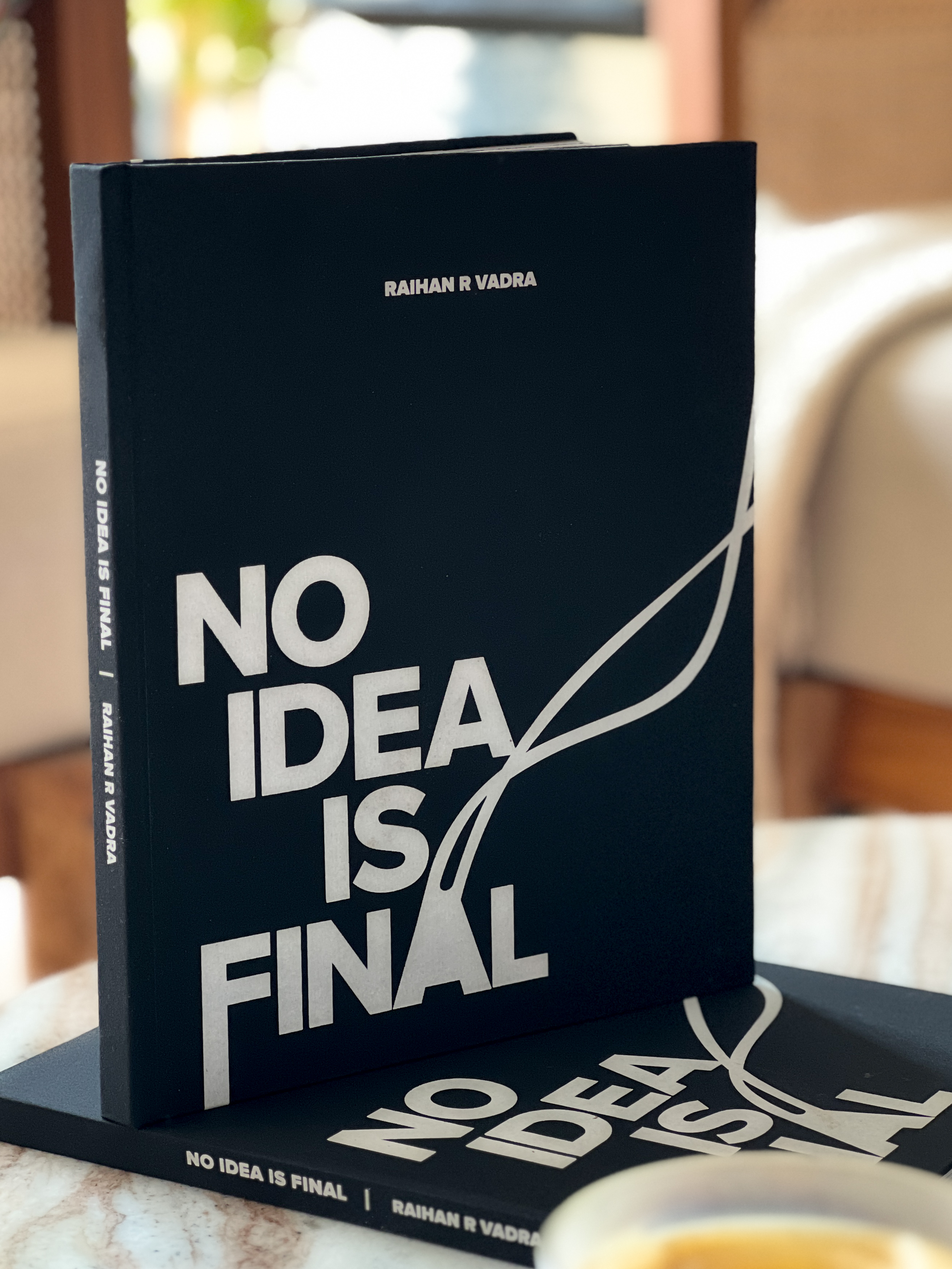
The Book
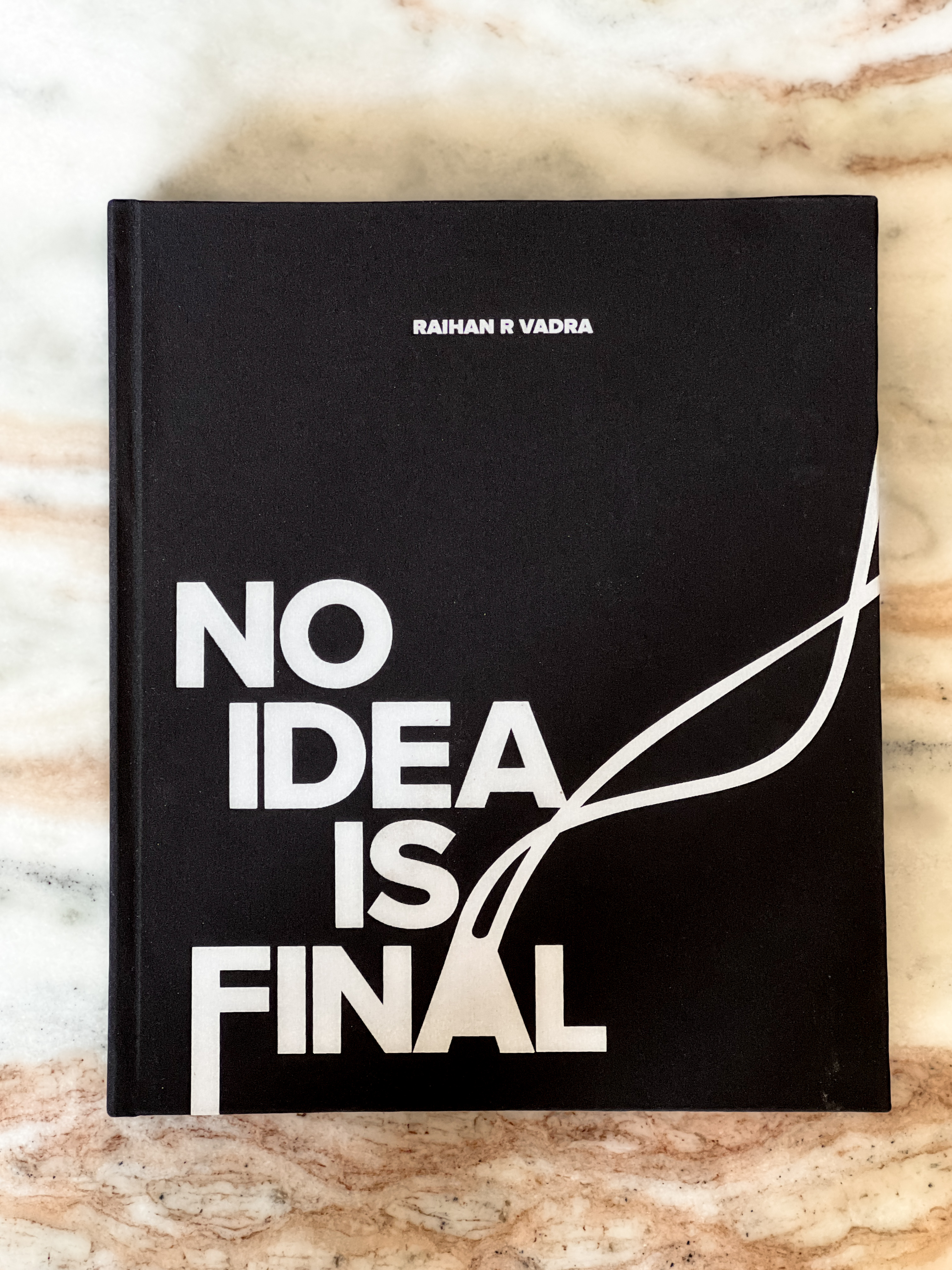
No Idea Is Final
A solo exhibition by Raihan Rajiv Vadra
- Title
- No Idea Is Final
- Artist
- Raihan R Vadra
- Format
- Hardcover
Across wildlife, concerts, public movements and abstraction, Raihan Rajiv Vadra brings together three years of photographs in an exhibition guided by the act of looking.
or write to info@raihanrvadra.com
In No Idea is Final, visual artist and curator Raihan Rajiv Vadra allows his photographs to determine the direction of the exhibition. Made over the past three years, the works emerge from different encounters with the world around him: wildlife in Rajasthan, the collective energy of concerts, movements led by people, and the rhythms of the physical world observed through abstraction.
What connects them is the artist’s attention to moments, feelings and compositions that compelled him to make an image.
The exhibition marks a shift in Raihan’s practice. His earlier shows began with an idea, with individual works finding their place within a larger conceptual framework. Here, the process unfolds more intuitively. The photographs come first; their relationships become apparent through the act of bringing them together.
The title, No Idea is Final, reflects this willingness to let the work develop, to reconsider its form and to leave its meaning open to the viewer.
Initially conceived through installations, multimedia works and photography, the exhibition gradually became a more focused presentation of photographs.
Revisiting images from recent years, alongside making new work, brought Raihan back to the impulse that first drew him to the camera: finding a meeting point between the compositions he imagined and the things he could see.
Following a period of group exhibitions, curatorial projects and art weekends, this process also became a personal return to making. It offered room to work without a predetermined structure, to follow his eye into unfamiliar territory and to recognise patterns he might previously have passed over.
The exhibition moves between observation and participation, individual perception and collective experience.